
5 Qualities to Look For in an HVAC Company
Choosing the right HVAC company can significantly impact the comfort and efficiency of your home. With so many options available, it's vital to know what qualities to prioritize when hiring professionals for heating and air conditioning services. This article explores the key attributes to consider when evaluating an HVAC company. By prioritizing these qualities, homeowners can ensure they select a company capable of delivering high-quality service that meets their needs. Understanding these attributes will guide you in making informed decisions, improving your overall HVAC experience, and home comfort.
1. Experience and Expertise
One of the most telling indicators of an HVAC company's reliability is its longevity in the industry. A company with many years of experience is likely to have encountered diverse challenges and mastered the intricacies involved in the trade. This experience often translates to superior troubleshooting skills and efficient service delivery. Companies that have weathered economic fluctuations and competitive markets typically demonstrate resilience and a commitment to quality. An established presence in the industry builds trust with clients, showcasing stability and a proven track record of success in providing heating and air conditioning services.
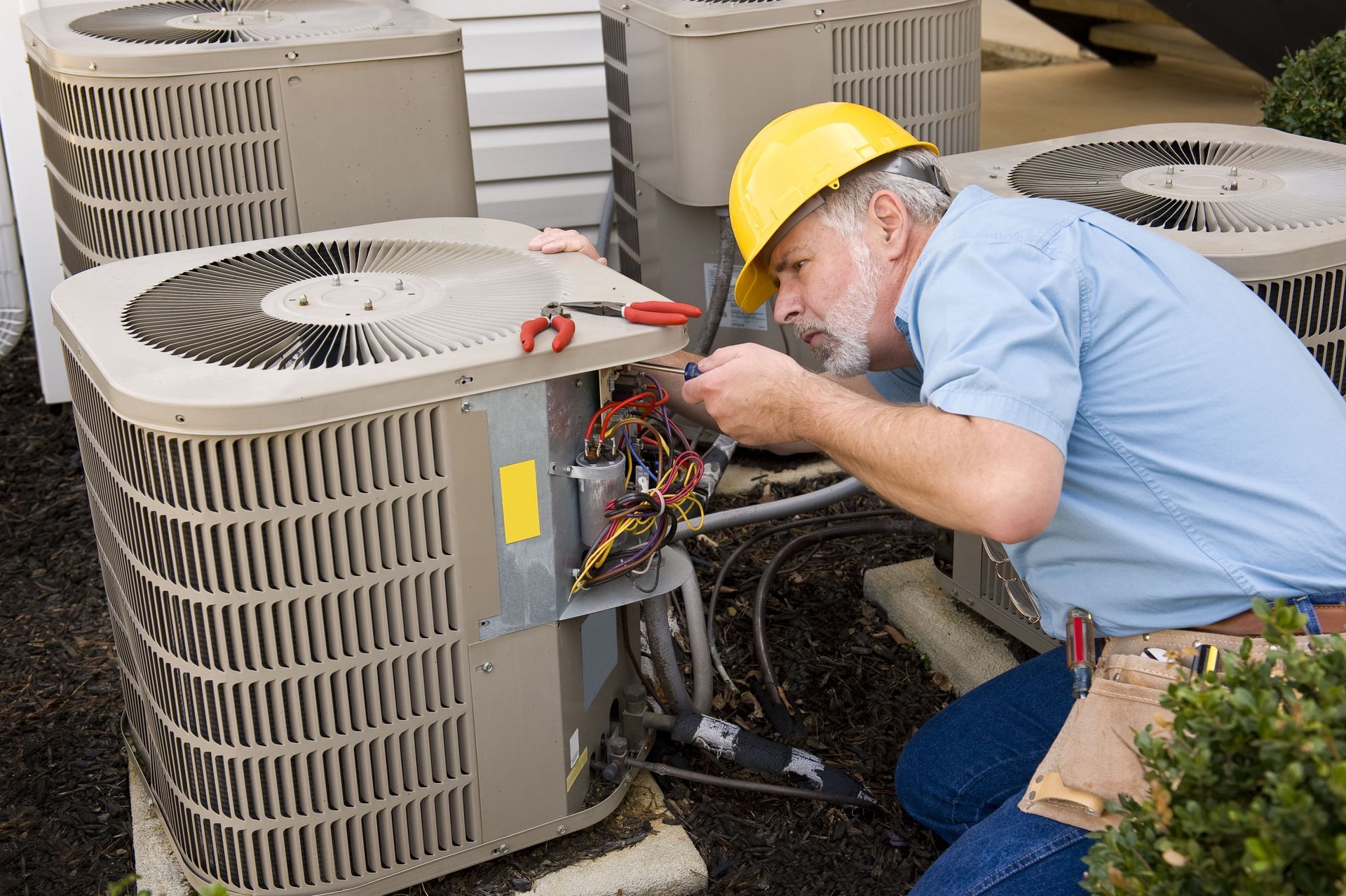
Working with certified professionals ensures that the company adheres to industry standards and follows best practices. Certifications like NATE (North American Technician Excellence) are important as they validate the technical proficiency of the technicians. Certified technicians are updated with the latest technologies and methodologies, ensuring efficient and modern solutions. As the HVAC market was valued at $142.72 billion in 2021, according to Fortune Business Insights, the presence of certified professionals becomes crucial in navigating this rapidly growing industry. Such credentials provide peace of mind, reassuring customers of the technician's capability and reliability.
An HVAC company needs to possess specialized knowledge about various systems and brands to effectively service and install diverse equipment. Knowledgeable technicians can adeptly handle specific HVAC units, including high-efficiency models and complex installations. Specialized expertise allows companies to offer custom solutions and address unique concerns that arise with different systems. Customers benefit significantly from working with technicians who have a thorough understanding of their specific HVAC needs, especially when it comes to comprehensive heating and air conditioning services. This expertise results in better-maintained systems, improved energy efficiency, and enhanced home comfort.
2. Credibility and Reputation
Customer reviews are a powerful testament to an HVAC company's credibility and service quality. Positive feedback from satisfied clients indicates that the company consistently meets or exceeds customer expectations. Prospective clients can gain valuable insights from reviews, helping them make informed choices about which company to hire. Transparency and engagement with customer feedback demonstrate a company's commitment to improving service and addressing concerns. Trusted platforms like Google Reviews and Yelp provide a wealth of customer experiences to help evaluate potential HVAC partners.
Industry accolades and awards serve as strong indicators of a company's standing within the HVAC community. Recognition from respected organizations enhances a company's reputation and showcases its dedication to excellence. These accolades validate the company's effective practices, innovation, and high standards of service. Customers can rely on awarded companies to deliver quality results and adhere to industry-leading methodologies. Engaging a company recognized by peers and industry experts adds confidence in their ability to meet your heating and cooling needs.
Personal referrals and recommendations are invaluable in assessing an HVAC company's quality and reliability. Satisfied customers often share their positive experiences with friends and family, fostering trust through word-of-mouth. Referred companies often have a proven track record of delivering exceptional service, including dependable heating and air conditioning services, making them more appealing to potential clients. These recommendations reflect genuine customer satisfaction and confidence in the company's capabilities. Homeowners can trust referrals to guide them toward choosing a reputable and dependable HVAC service provider.
3. Licensing and Insurance
Ensuring an HVAC company holds valid licenses is critical before engaging their services. Licenses verify that the company meets regulatory requirements and adheres to legal operating standards. Licensed contractors are authorized to perform installations, repairs, and maintenance in line with state regulations. Customers can trust licensed companies to deliver reputable services that comply with safety and performance guidelines. Verifying licenses is an essential step in selecting a trustworthy and credentialed HVAC service provider.
Comprehensive insurance coverage is an indispensable aspect when choosing an HVAC company. Companies carrying liability and workers' compensation insurance protect both their employees and clients. Insurance coverage ensures that any accidental damages or injuries occurring during service are properly addressed. By selecting an insured company, clients avoid potential legal and financial repercussions stemming from unforeseen incidents. Peace of mind is a valuable part of engaging an insured HVAC provider, ensuring all parties are adequately protected.
A reliable HVAC company manages the process of obtaining necessary permits for larger installations or repairs. Obtaining permits ensures compliance with building codes and regulations, preventing future legal issues. A company that takes responsibility for permits management demonstrates professionalism and attention to detail. Clients can trust such companies to conduct installations and modifications within the established legal framework. Simplified permit processing relieves clients from navigating complex regulatory requirements independently.
4. Transparent Pricing
Transparent pricing is a cornerstone for selecting a trustworthy HVAC company, beginning with detailed cost estimates. Providing clear estimates before commencing work demonstrates accountability and professionalism. Such clarity helps clients understand service scope and anticipate expenses without uncertainties. Detailed estimates help avoid surprises and ensure customers are comfortable with projected costs. Companies that prioritize transparency foster trust and build long-term client relationships.
A respectful HVAC company offers services void of hidden fees, aligning with fair and honest practices. Clients should not encounter unanticipated charges upon completion, reflecting ethical billing methods. Transparent pricing models ensure customers receive value for their investment without overcharges. Companies that maintain straightforward pricing earn client respect and prompt repeat business. Select an HVAC company committed to transparent dealings and equitable transactions.
Flexible payment options provide clients with the ability to manage costs without compromising service quality. HVAC companies offering installment plans or financing solutions accommodate diverse financial situations. This financial flexibility broadens access to essential services, ensuring all clients can obtain necessary installations or repairs. Clients appreciate companies that deliver quality services alongside manageable payment terms. Such accommodations highlight a company's dedication to client satisfaction and long-term client relationships.
5. Customer Service
Effective customer service is essential, beginning with responsive communication practices. Companies that respond swiftly to inquiries and service requests demonstrate respect for clients' time. Prompt communication furnishes clients with critical information and solutions for their concerns. Whether through phone calls, emails, or chat platforms, responsiveness reflects a commitment to service excellence. Clients appreciate companies that prioritize communication, enhancing overall service satisfaction and trust.
Punctuality is a hallmark of a professional HVAC company, highlighting respect for clients' schedules. On-time service delivery reflects a disciplined approach to operational management and commitment to clients. Being on time for appointments solidifies trust between clients and technicians, illustrating reliability. Companies dedicated to punctuality reduce client inconveniences, providing seamless and efficient service experiences. Clients value timely service, fostering positive impressions and long-term relationships.
When searching for an HVAC company, it's crucial to consider qualities such as experience, reputation, licensing, pricing transparency, customer service, and service range. Prioritizing these aspects will help ensure you select a company capable of delivering reliable, efficient, and competent HVAC services tailored to your needs. As the industry continues to expand, selecting the right partner is more important than ever. A thoughtful evaluation process empowers homeowners to make informed decisions and enhances their overall HVAC experience. Choose wisely, and enjoy the comfort and peace of mind that comes with exceptional service and expertise. For more information about the heating and air conditioning services that we offer, reach out to our incredible team at Cooling & Heating Unlimited today!


Share On: