Why So Many Plumbers Favor Copper Pipes

April 2, 2024

When it comes time for you to repipe your home or build plumbing systems in a new building, plumbers often have a strong preference when it comes to pipe materials. While plastic pipes like PVC and PEX have become popular for their flexibility and lower cost, countless plumbers still swear by the durability and performance of copper pipes. As you consider the options for your next plumbing project, understanding why plumbers lean towards copper can help inform your decision.


The Reliability of Copper Is Hard to Beat


For plumbers, few things are more frustrating than having to repeatedly repair faulty plumbing systems. When you install copper pipes properly, they stand the test of time in a way other common pipes simply do not. Copper resists scale accumulation, doesn't become brittle with age, stands up to hot water and high pressure flows exceptionally well. This durability means far fewer annoying leaks or breaks behind walls to have to come back and fix. According to the Environmental Protection Agency, one-tenth of all homes have plumbing leaks. Given the choice, plumbers prefer to do every job best by using real lasting materials like copper whenever feasible.


Copper Offers Superior Water Quality


While some modern plastic piping options technically meet health standards for potable water lines, small amounts of chemicals can still leach from PEX and CPVC into the water flowing through them. Copper leaches nothing, leaving your water cleaner and better tasting straight from the tap. For plumbers focused on upholding high standards in their work, this advantage of copper pipes often proves decisive. They allow you to enjoy cleaner, safer water every time you take a drink.


Easier Repairs and Retrofitting in Copper Systems


If repairs do become necessary in copper plumbing, plumbers find the process simpler than with other materials. Joints in copper pipe systems tend to remain far sturdier over decades of strain. And installing new copper pipes integrates seamlessly with older copper networks. The malleable nature also allows the bending of copper gracefully along framing and around obstacles where other materials would require complex arrangements of angled fittings. The natural flexibility of copper eliminates frustrations and speeds up the work for all involved.


When doing your next plumbing project, understanding why plumbers strongly favor copper can ensure the best outcome for your home or building. With outstanding longevity, pure water delivery, and easier maintenance, quality copper piping should serve you well for decades to come. Call our team at Cooling & Heating Unlimited today to get an estimate to replace your pipes with copper ones.
water heater install
April 9, 2026
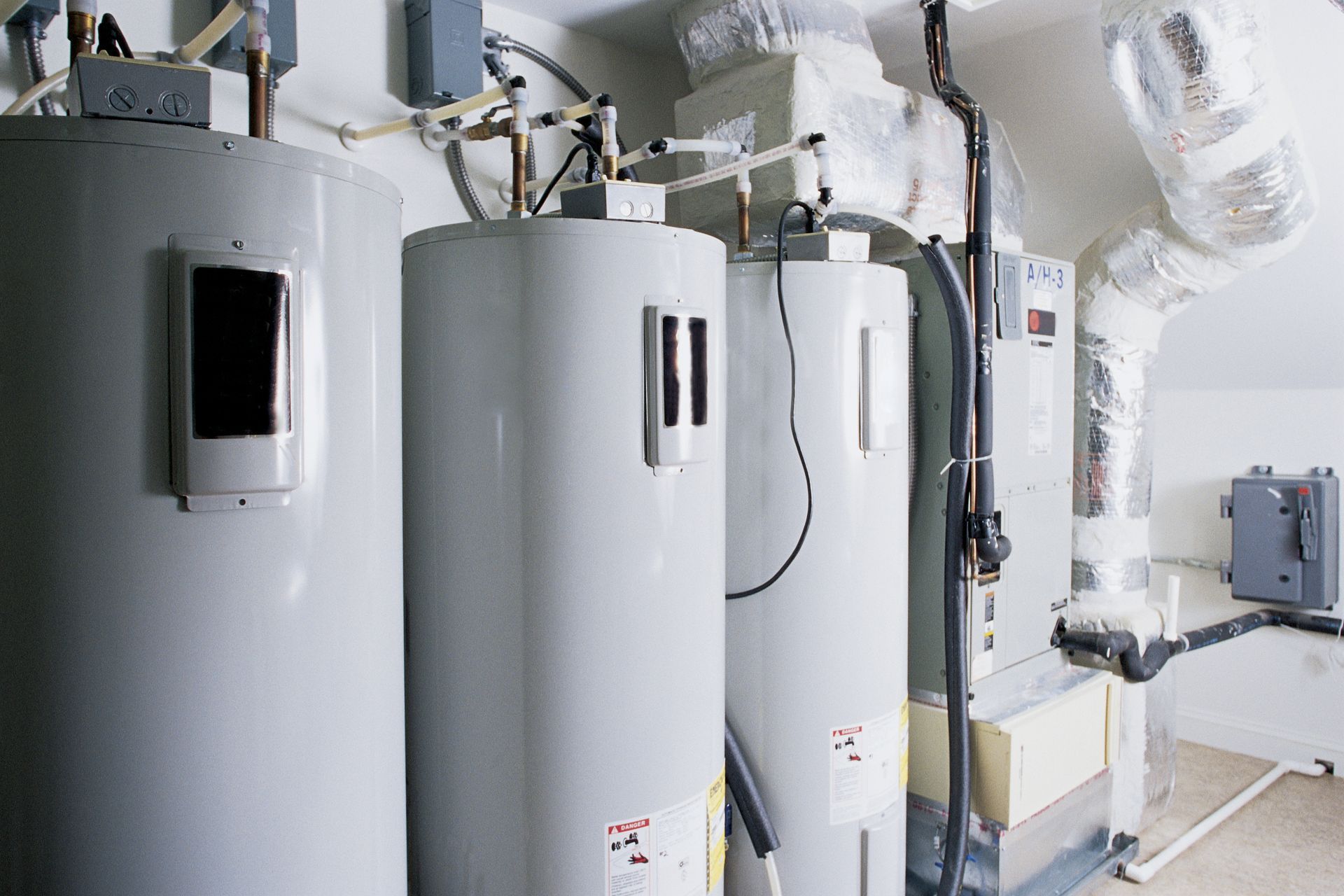
A modern water heater install can completely transform how your home uses energy. Read on to learn more about water heater installation!
ac company
April 1, 2026
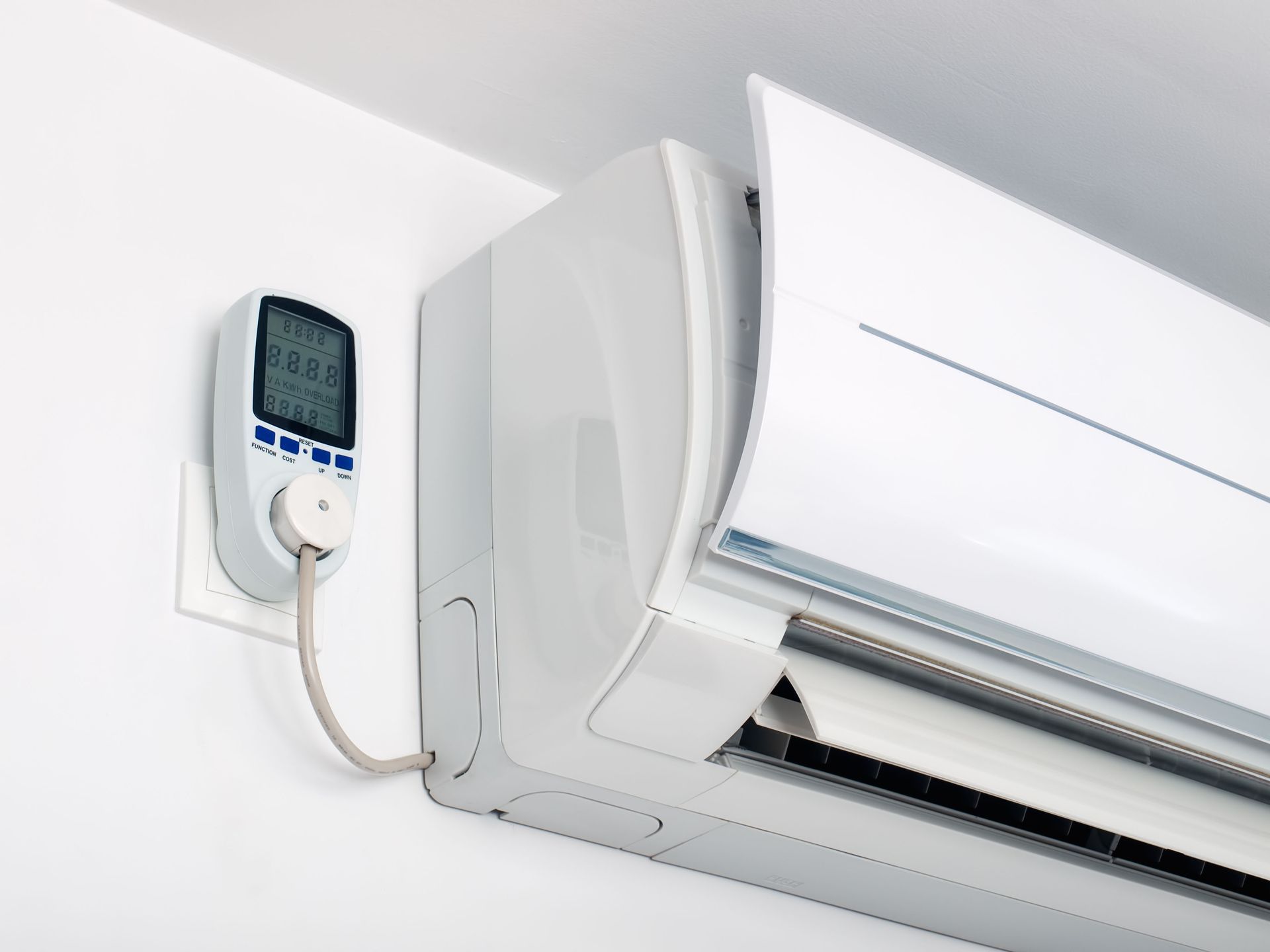
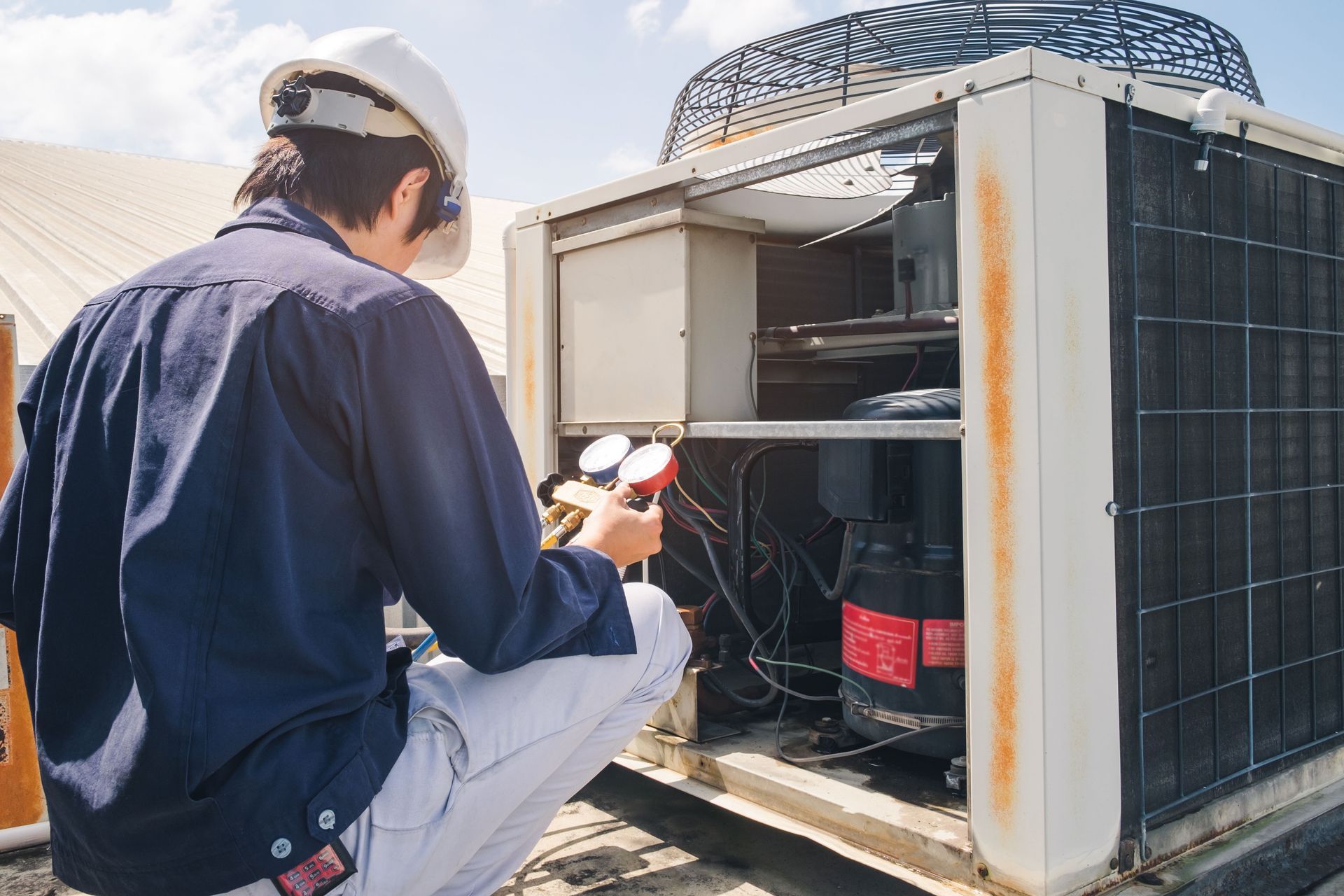
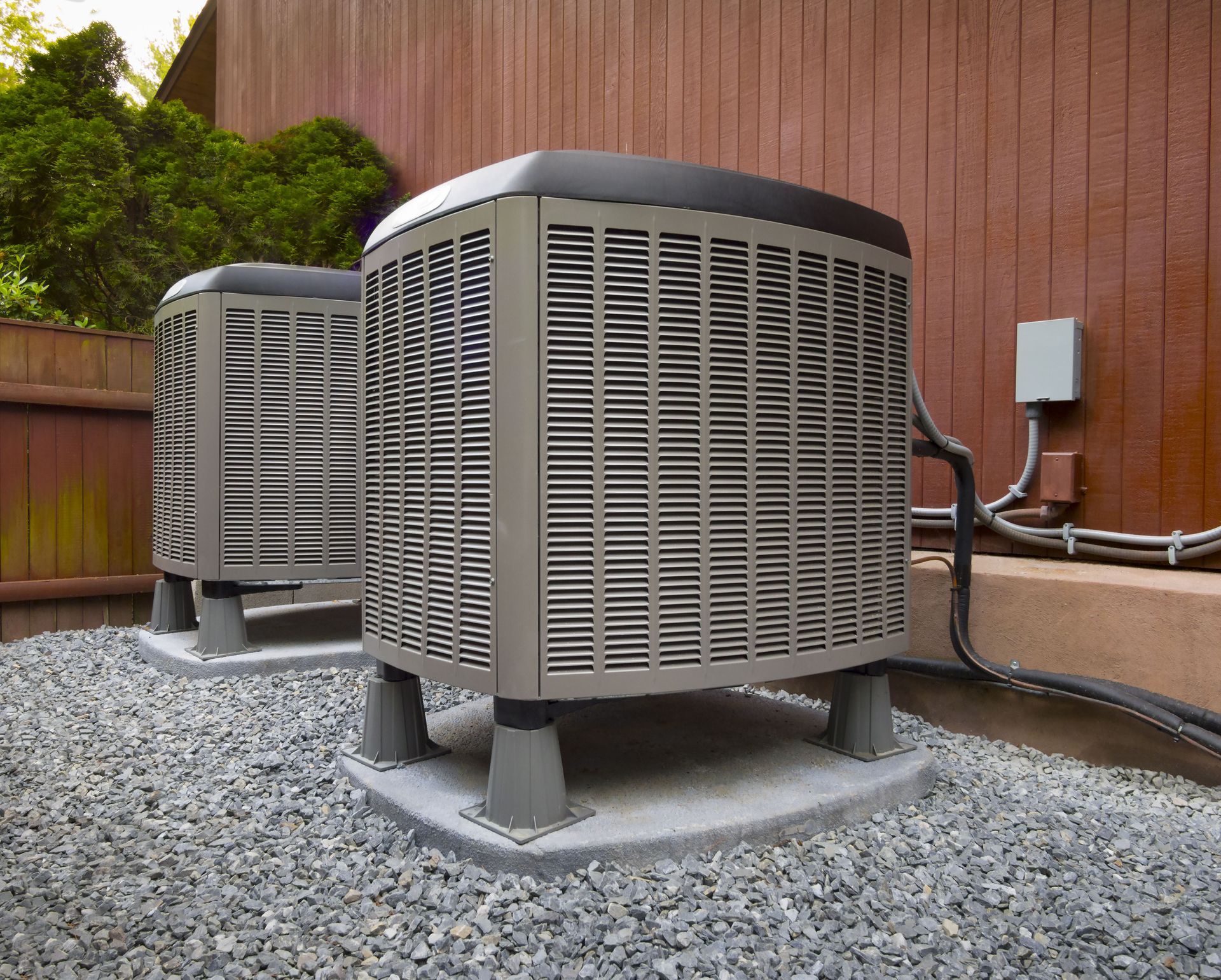
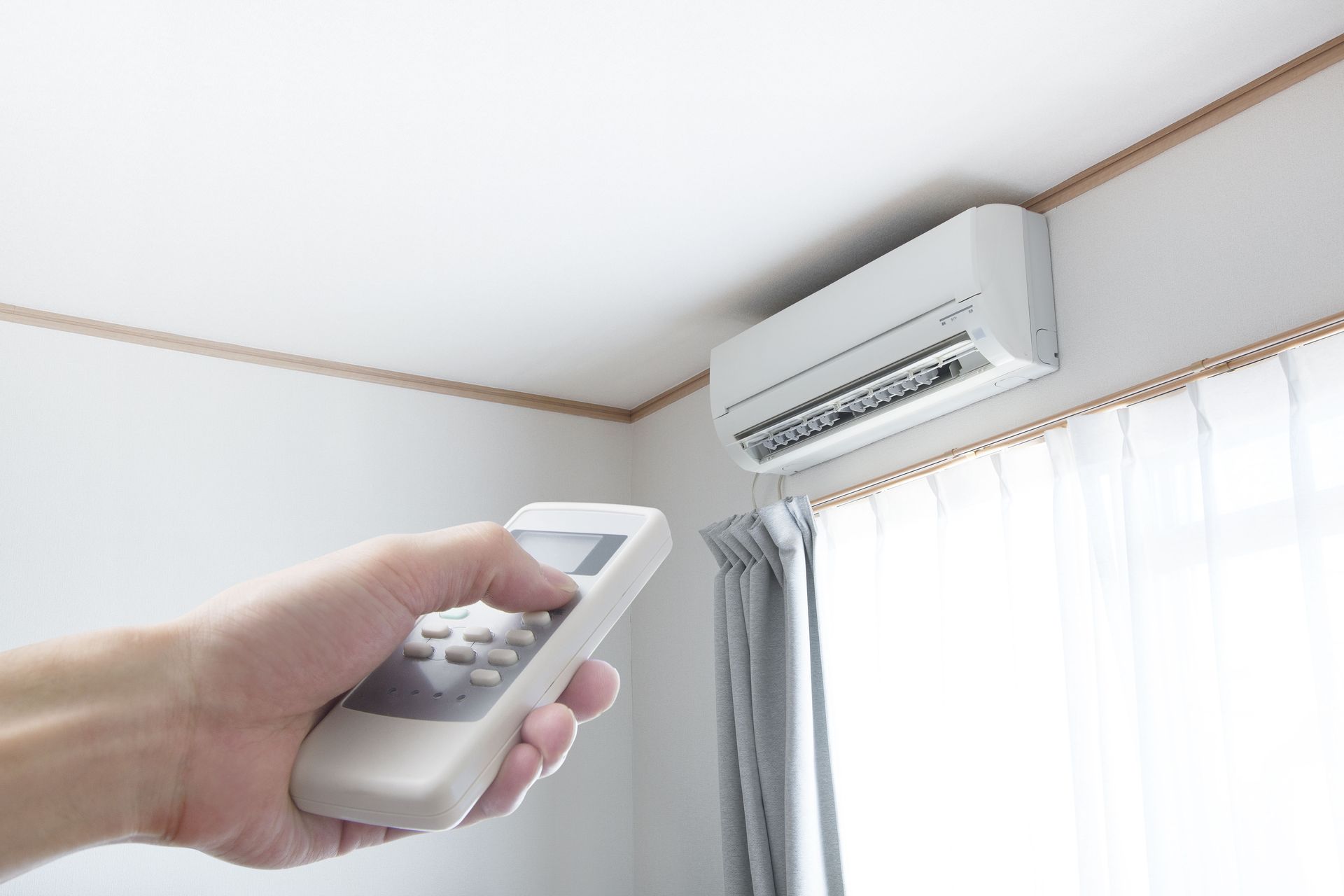
In today’s climate, air conditioning is no longer viewed as a luxury; it is an essential component of indoor comfort and overall quality of life. From maintaining healthy humidity levels to ensuring restful sleep and productivity, the right cooling system can significantly improve how a home feels and functions. However, with so many air conditioning options available, selecting the right system can feel overwhelming. Each type of system offers unique advantages depending on room size, budget, efficiency goals, and long-term plans. Understanding how different air conditioning systems operate and what they are best suited for is the first step toward making a confident decision. Whether you are upgrading an outdated unit, cooling a new space, or working with an experienced AC company to explore modern solutions, knowing your options helps ensure you invest wisely. This guide breaks down the most common types of air conditioning systems and the key factors that should influence your final choice. Common Types of Air Conditioning Systems and How They Compare Air conditioning systems are designed to meet different cooling needs, from single-room solutions to whole-home climate control. While each option has strengths and limitations, understanding how they compare makes it easier to align performance with expectations. Window and portable air conditioners remain popular for small-scale or temporary cooling needs. Window units are installed directly into a window opening and are designed to cool one room at a time. Their compact design makes them relatively affordable and easy to maintain, which appeals to homeowners on a tighter budget or those looking for a simple solution. However, they can obstruct natural light and are generally less efficient for larger spaces. Portable air conditioners offer added flexibility, allowing users to move them between rooms. While convenient, they often require floor space and may consume more energy than other systems. Split air conditioning systems have become a leading choice for both residential and commercial applications due to their balance of performance, efficiency, and aesthetics. These systems consist of an indoor unit paired with an outdoor condenser, resulting in quieter operation and more effective cooling. According to Comfy Living, split-type AC units are the most popular worldwide, with demand at 83.46 million units in 2018. Their widespread adoption reflects their ability to cool larger areas efficiently while offering zoned temperature control. Installation typically requires a professional AC company, but the long-term comfort and energy savings often justify the investment. Central air conditioning systems are designed for whole-home cooling and deliver consistent temperatures through a network of ducts. These systems are ideal for larger homes or properties with existing ductwork. While installation costs can be higher, central systems offer excellent airflow, improved indoor air quality, and seamless integration with smart thermostats. Hybrid air conditioning systems, which combine traditional power with renewable or alternative energy sources, are also gaining popularity. These systems appeal to environmentally conscious homeowners seeking reduced energy consumption without sacrificing comfort. Matching Cooling Capacity to Room Size and Airflow Needs One of the most critical factors when selecting an air conditioning system is ensuring it matches the size and layout of the space it is intended to cool. Cooling capacity is measured in British Thermal Units, and selecting the correct rating is essential for efficiency and comfort. A unit that is too small will struggle to cool the space, leading to increased wear and higher energy costs. Conversely, an oversized unit may cool the room too quickly, failing to properly remove humidity and resulting in a damp or uncomfortable environment. Room dimensions, ceiling height, insulation quality, and sun exposure all influence cooling requirements. Open floor plans or rooms with large windows often require higher-capacity systems to maintain consistent temperatures. Airflow also plays a significant role in how effectively cool air circulates throughout a space. Obstructed vents, poor placement, or overcrowded furniture layouts can limit system performance. Working with a knowledgeable AC company can help ensure accurate load calculations and proper placement of equipment. Professionals evaluate airflow patterns and recommend solutions such as adjustable vents or zoning systems to enhance circulation. By addressing both room size and airflow from the start, homeowners can avoid common inefficiencies and enjoy a more balanced cooling experience. Understanding Energy Efficiency and Long-Term Savings Energy efficiency is a top priority for homeowners looking to manage utility costs and reduce environmental impact. Air conditioning efficiency is measured using ratings such as the Energy Efficiency Ratio and the Seasonal Energy Efficiency Ratio. Higher ratings indicate that a system produces more cooling output per unit of energy consumed, resulting in lower monthly energy bills. Modern air conditioning systems often feature Energy Star certifications, signaling compliance with strict efficiency standards. These systems may also include variable-speed compressors, inverter technology, and programmable thermostats that adapt cooling output to real-time conditions. While high-efficiency systems may come with higher upfront costs, the long-term savings often outweigh the initial investment. Many homeowners choose to consult an AC company to compare efficiency ratings and determine which system offers the best return on investment. Installation, Maintenance, and System Longevity Installation quality plays a major role in how well an air conditioning system performs over time. Simple systems like window or portable units typically require minimal installation, while split and central systems demand professional expertise. Improper installation can lead to air leaks, reduced efficiency, and frequent breakdowns, making professional service a worthwhile investment. Ongoing maintenance is equally important for preserving system performance and extending lifespan. Routine tasks such as filter replacement, coil cleaning, and refrigerant checks help prevent unnecessary strain on the system. Central and split systems, in particular, benefit from annual inspections conducted by a licensed AC company. These inspections identify potential issues early and ensure all components are operating efficiently. Neglecting maintenance can lead to higher energy costs, poor air quality, and unexpected repairs. Establishing a regular maintenance schedule helps homeowners protect their investment and maintain consistent comfort year-round. Performance Across Different Climate Conditions Climate plays a key role in determining which air conditioning system performs best. In warmer regions, systems must handle extended periods of high demand, making durability and efficiency critical. Split and central systems often excel in these conditions due to their capacity and consistent performance. In cooler climates, air conditioning may be used seasonally, making flexible systems such as heat pumps or hybrid units attractive options. These systems provide both heating and cooling, maximizing year-round utility. Portable or lower-capacity systems may also be sufficient for occasional cooling needs. Matching system performance to regional climate ensures reliable operation without unnecessary energy use. Consulting with a local AC company helps ensure the selected system is optimized for specific weather patterns and seasonal demands. Choosing the right air conditioning system requires balancing comfort, efficiency, budget, and long-term performance. By understanding the strengths of different systems and evaluating key factors such as room size, energy efficiency, and environmental impact, homeowners can make informed decisions that deliver lasting value. Whether upgrading a single room or investing in whole-home cooling, partnering with a trusted AC company provides expert guidance and professional installation. A well-chosen system enhances comfort, improves air quality, and supports energy-conscious living. If you are ready to explore the best cooling solution for your home, contact a reliable AC company today to schedule a consultation. Professional insight from an experienced technician at Cooling and Heating Unlimited can help you select the right system, maximize efficiency, and ensure year-round comfort for your space.
heating and air conditioning services
December 6, 2025
With so many options available, it's vital to know what qualities to prioritize when hiring professionals for heating and air conditioning services.
heating and air conditioning
October 25, 2023
Are you looking for new ways to upgrade your heating and air conditioning system? Let's take a look for more information!
March 22, 2023
Looking for a new air conditioning system? Before calling an AC company, take a look at these five benefits of having a split system AC unit in your home.
water heater install
September 21, 2022
Check out our post to learn more about increasing the lifespan of your water heater. If you need a water heater install, give us a call.