7 Ways a New Water Heater Can Improve Your Home’s Energy Efficiency

April 9, 2026

Upgrading your water heater isn’t just about having a steady supply of hot water — it can also make a significant difference in your home’s overall energy efficiency and day-to-day comfort. Many homeowners don’t realize how much older water heaters can quietly drain energy, work harder than necessary, and increase utility costs over time, even if their water usage hasn’t changed.


A modern
water heater install can completely transform how your home uses energy, making everyday tasks like showering, washing dishes, and doing laundry not only more efficient but also more comfortable and convenient. With the right system, you’ll quickly notice improvements in performance, smoother water delivery, lower energy bills, and enhanced overall household convenience. Let’s take a closer look at five ways a new water heater can significantly improve your home’s energy efficiency.


1. Reducing Energy Waste With Advanced Technology


Older water heaters often struggle to maintain consistent temperatures and can waste energy by constantly reheating water. These units may use outdated heating elements or insulation, causing the system to work harder than necessary. Modern water heaters, particularly tankless models, heat water on demand, which means energy is used only when needed. This efficiency prevents the unnecessary heating cycles common with traditional tanks, reducing energy waste and extending the life of the system.


Even modern tank water heaters now come with improved insulation and enhanced heating elements, which significantly cut standby heat loss. When you schedule a professional water heater install, the technician ensures your unit is properly sized for your household, preventing overworking the system and reducing energy consumption. Additionally, modern systems often feature smart technology that can adapt to usage patterns, further preventing energy waste and ensuring your home’s heating system works as efficiently as possible.


2. Enhancing Temperature Control and Consistency


Consistent water temperature is more than a comfort factor — it also has a direct impact on your home’s energy use and overall efficiency. Older water heaters often struggle to maintain a steady temperature, which can lead homeowners to adjust settings repeatedly or let water run longer just to reach the desired warmth. This extra usage not only wastes energy but can also shorten the lifespan of the unit. Modern water heaters are equipped with advanced thermostats, digital controls, and in some cases, remote monitoring features. These innovations allow for precise temperature adjustments, helping to reduce energy consumed for unnecessary reheating and preventing the system from cycling too frequently.


Properly calibrated systems maintain a steady temperature, which means the water heater operates efficiently without overloading or wasting energy. A professional water heater install ensures that the system is correctly set up, integrated with your household plumbing, and optimized for peak performance. By keeping water temperature stable, your home avoids extra energy costs, reduces unnecessary wear on the system, and provides reliable hot water for showers, cooking, and laundry. This combination of comfort, efficiency, and dependable performance enhances daily life while making your home’s energy use more sustainable and cost-effective.


3. Lowering Utility Costs Over Time


Energy efficiency directly translates to lower utility bills. Older water heaters can consume a surprising amount of energy due to inefficiencies in heating and insulation. Upgrading to a new water heater reduces the energy needed to heat water, which can result in significant savings over time. Even small reductions in energy use accumulate, helping households save on electricity or gas bills without sacrificing performance.


Many homeowners are unaware that older units often contribute heavily to higher energy costs, even when household water usage hasn’t increased. A water heater install ensures the unit is optimally sized and positioned to maximize efficiency, preventing unnecessary energy waste. Over time, the initial investment in a modern water heater pays off through lower monthly bills and a more energy-conscious home. Furthermore, energy-efficient water heaters often include features that adapt to your family’s routine, minimizing heating cycles during times of low usage and further reducing utility expenses.


4. Increasing System Longevity and Reliability


A modern water heater doesn’t just save energy—it also lasts longer than older units. According to Modernize, traditional water heaters generally last between eight and 12 years, while tankless models can last 15 years or longer. Systems that last longer maintain their efficiency over time, requiring fewer repairs and consuming less energy overall.


Scheduling a professional water heater install ensures that the unit is correctly connected to your plumbing and electrical systems, minimizing risks like leaks, corrosion, or poor performance that can reduce efficiency. Reliable hot water systems mean fewer interruptions in your daily routine and more predictable energy usage. With a longer-lasting, high-efficiency unit, your home benefits from both consistent hot water and reduced strain on your energy resources for many years, making this upgrade a smart choice for households looking to improve sustainability and comfort.


5. Supporting Sustainable Home Practices


Energy-efficient water heaters contribute to a more sustainable home by lowering the household’s energy demand and reducing its carbon footprint. While the difference may seem small at first, every reduction in energy use adds up over time, particularly in homes with multiple occupants. Tankless systems, for example, heat water only when needed, avoiding the continuous energy consumption associated with keeping water hot in a traditional tank.


Even modern tank systems have better insulation and improved energy performance. A water heater focused on efficiency complements other sustainable practices in your home, such as using energy-efficient appliances or LED lighting. By reducing energy demand without changing daily routines, your home becomes more environmentally responsible, benefiting both your household and the planet. Small steps like upgrading your water heater can create a ripple effect of energy savings and sustainability improvements throughout your home.


6. Improving Hot Water Delivery for Everyday Use


Efficiency isn’t only about energy — it’s also about convenience. New water heaters are designed to provide a steady and reliable flow of hot water, which reduces the need to run faucets or showers longer than necessary. When hot water arrives quickly and at the right temperature, households waste less water and energy, creating a more seamless daily routine.


A professional water heater install ensures that the system is properly integrated with your home’s plumbing and sized to meet your family’s needs. This means every shower, bath, or dishwashing session uses energy more effectively. Reliable hot water delivery also improves comfort, allowing everyone in the household to enjoy consistent temperatures without delays or adjustments, ultimately supporting more energy-conscious habits.


7. Enhancing Overall Home Comfort and Satisfaction


A new water heater improves the overall comfort of your home. Energy-efficient models deliver hot water quickly and reliably, supporting daily routines like showers, laundry, and cleaning. When hot water is readily available, households avoid energy-consuming adjustments, such as running water longer or using supplemental heating methods.


Professional water heater install methods ensure that your system works seamlessly with your home, optimizing both efficiency and performance. Over time, a high-performing water heater enhances daily life, providing consistent hot water, lowering energy use, and giving your home a noticeable boost in comfort. The investment in a modern, efficient system is not only practical but also contributes to a smoother, more energy-conscious household experience.


Upgrading your water heater offers a clear path to improved energy efficiency, lower utility costs, and greater comfort. A modern water heater install brings technology, reliability, and sustainability to your home, making everyday tasks easier while conserving energy. For professional installation and expert service, contact Cooling & Heating Unlimited.
ac company
April 1, 2026
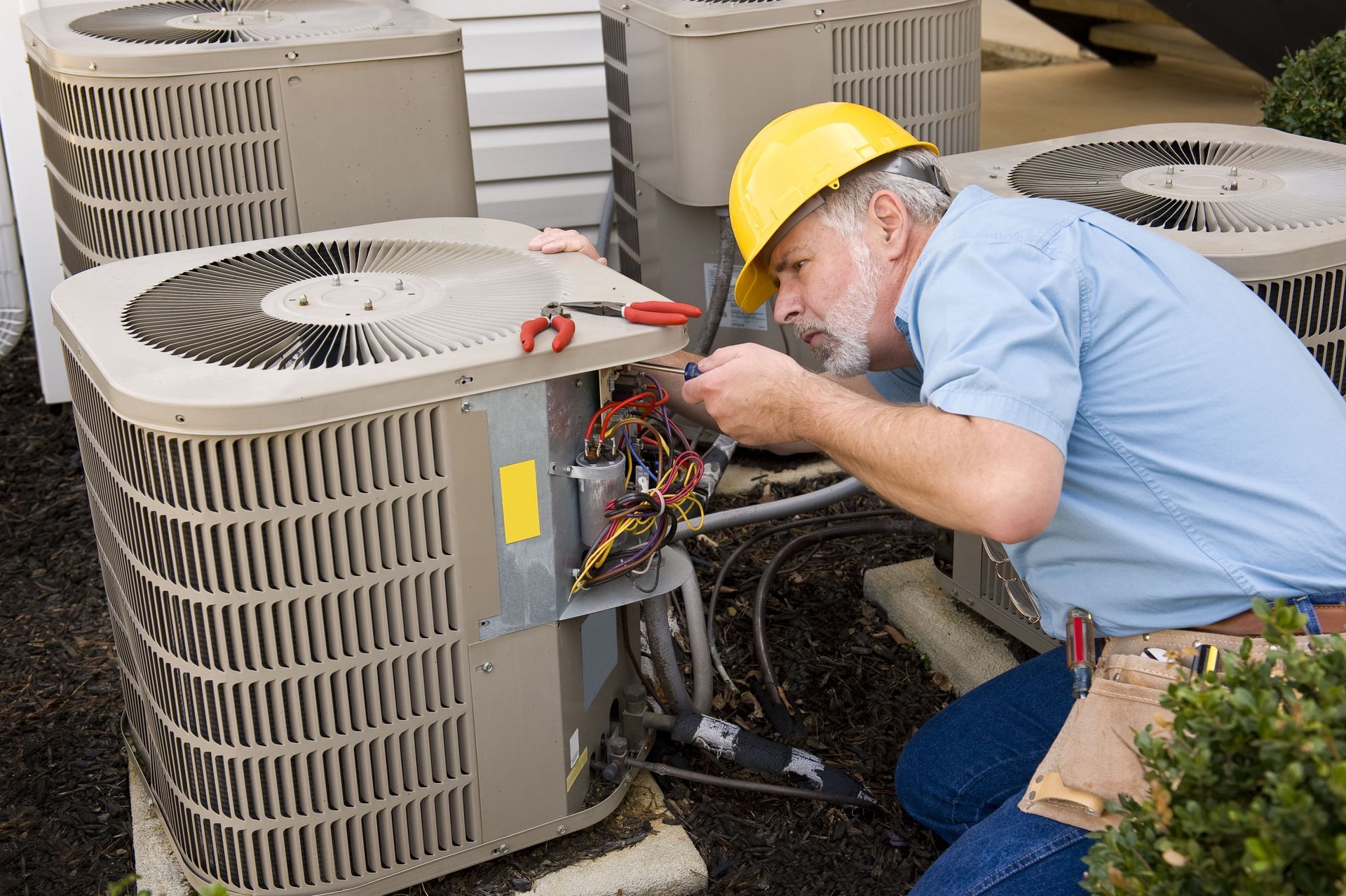
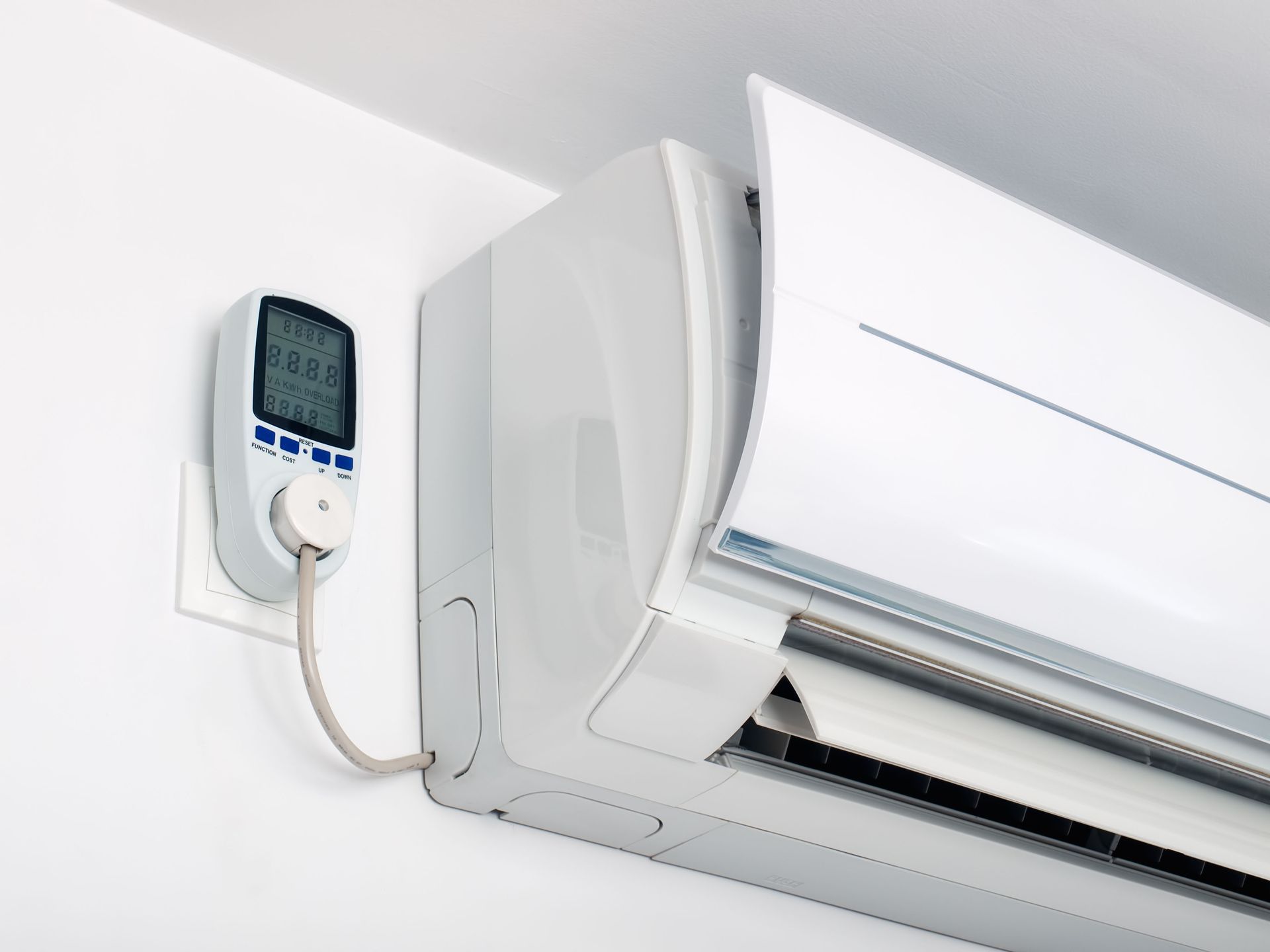
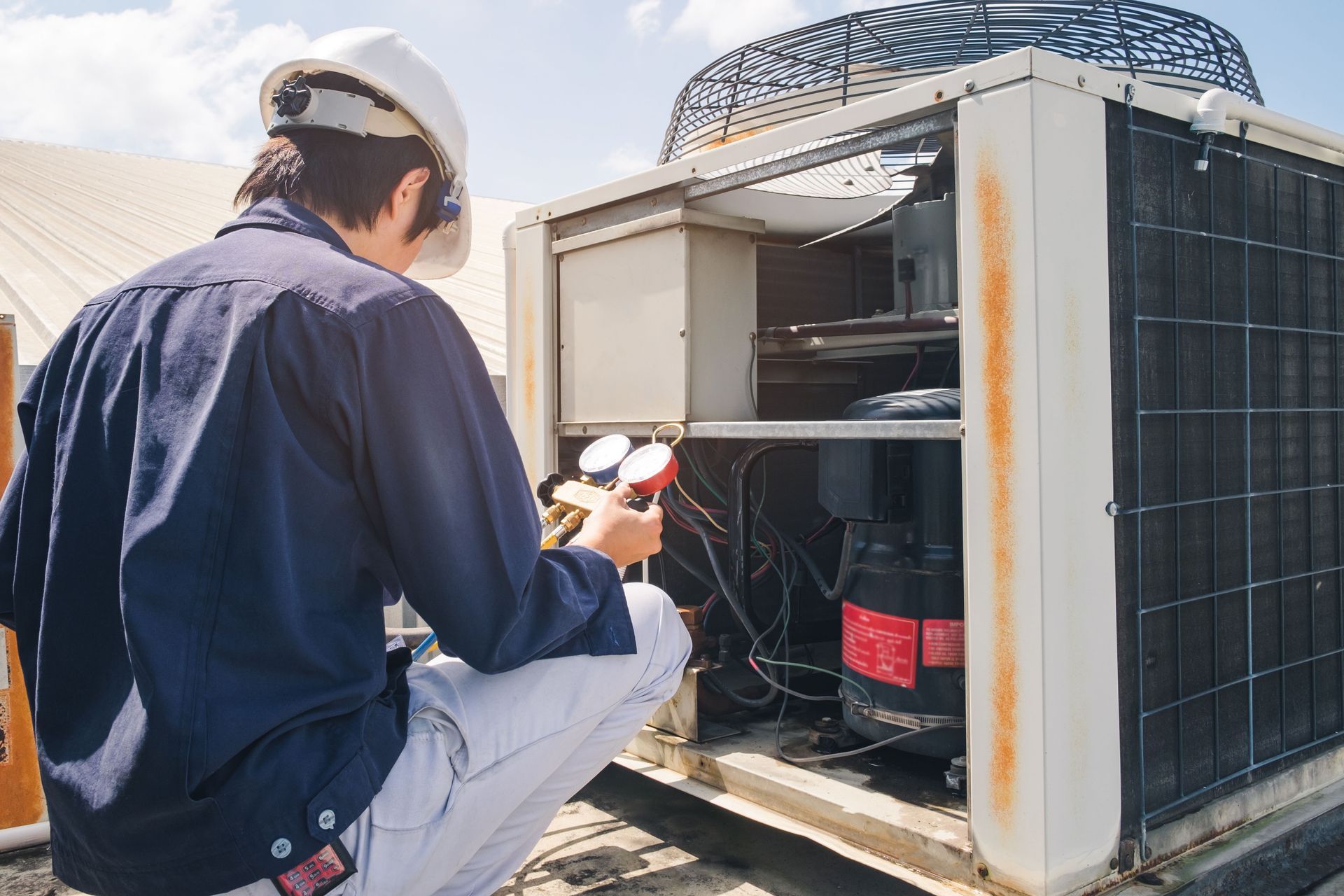
In today’s climate, air conditioning is no longer viewed as a luxury; it is an essential component of indoor comfort and overall quality of life. From maintaining healthy humidity levels to ensuring restful sleep and productivity, the right cooling system can significantly improve how a home feels and functions. However, with so many air conditioning options available, selecting the right system can feel overwhelming. Each type of system offers unique advantages depending on room size, budget, efficiency goals, and long-term plans. Understanding how different air conditioning systems operate and what they are best suited for is the first step toward making a confident decision. Whether you are upgrading an outdated unit, cooling a new space, or working with an experienced AC company to explore modern solutions, knowing your options helps ensure you invest wisely. This guide breaks down the most common types of air conditioning systems and the key factors that should influence your final choice. Common Types of Air Conditioning Systems and How They Compare Air conditioning systems are designed to meet different cooling needs, from single-room solutions to whole-home climate control. While each option has strengths and limitations, understanding how they compare makes it easier to align performance with expectations. Window and portable air conditioners remain popular for small-scale or temporary cooling needs. Window units are installed directly into a window opening and are designed to cool one room at a time. Their compact design makes them relatively affordable and easy to maintain, which appeals to homeowners on a tighter budget or those looking for a simple solution. However, they can obstruct natural light and are generally less efficient for larger spaces. Portable air conditioners offer added flexibility, allowing users to move them between rooms. While convenient, they often require floor space and may consume more energy than other systems. Split air conditioning systems have become a leading choice for both residential and commercial applications due to their balance of performance, efficiency, and aesthetics. These systems consist of an indoor unit paired with an outdoor condenser, resulting in quieter operation and more effective cooling. According to Comfy Living, split-type AC units are the most popular worldwide, with demand at 83.46 million units in 2018. Their widespread adoption reflects their ability to cool larger areas efficiently while offering zoned temperature control. Installation typically requires a professional AC company, but the long-term comfort and energy savings often justify the investment. Central air conditioning systems are designed for whole-home cooling and deliver consistent temperatures through a network of ducts. These systems are ideal for larger homes or properties with existing ductwork. While installation costs can be higher, central systems offer excellent airflow, improved indoor air quality, and seamless integration with smart thermostats. Hybrid air conditioning systems, which combine traditional power with renewable or alternative energy sources, are also gaining popularity. These systems appeal to environmentally conscious homeowners seeking reduced energy consumption without sacrificing comfort. Matching Cooling Capacity to Room Size and Airflow Needs One of the most critical factors when selecting an air conditioning system is ensuring it matches the size and layout of the space it is intended to cool. Cooling capacity is measured in British Thermal Units, and selecting the correct rating is essential for efficiency and comfort. A unit that is too small will struggle to cool the space, leading to increased wear and higher energy costs. Conversely, an oversized unit may cool the room too quickly, failing to properly remove humidity and resulting in a damp or uncomfortable environment. Room dimensions, ceiling height, insulation quality, and sun exposure all influence cooling requirements. Open floor plans or rooms with large windows often require higher-capacity systems to maintain consistent temperatures. Airflow also plays a significant role in how effectively cool air circulates throughout a space. Obstructed vents, poor placement, or overcrowded furniture layouts can limit system performance. Working with a knowledgeable AC company can help ensure accurate load calculations and proper placement of equipment. Professionals evaluate airflow patterns and recommend solutions such as adjustable vents or zoning systems to enhance circulation. By addressing both room size and airflow from the start, homeowners can avoid common inefficiencies and enjoy a more balanced cooling experience. Understanding Energy Efficiency and Long-Term Savings Energy efficiency is a top priority for homeowners looking to manage utility costs and reduce environmental impact. Air conditioning efficiency is measured using ratings such as the Energy Efficiency Ratio and the Seasonal Energy Efficiency Ratio. Higher ratings indicate that a system produces more cooling output per unit of energy consumed, resulting in lower monthly energy bills. Modern air conditioning systems often feature Energy Star certifications, signaling compliance with strict efficiency standards. These systems may also include variable-speed compressors, inverter technology, and programmable thermostats that adapt cooling output to real-time conditions. While high-efficiency systems may come with higher upfront costs, the long-term savings often outweigh the initial investment. Many homeowners choose to consult an AC company to compare efficiency ratings and determine which system offers the best return on investment. Installation, Maintenance, and System Longevity Installation quality plays a major role in how well an air conditioning system performs over time. Simple systems like window or portable units typically require minimal installation, while split and central systems demand professional expertise. Improper installation can lead to air leaks, reduced efficiency, and frequent breakdowns, making professional service a worthwhile investment. Ongoing maintenance is equally important for preserving system performance and extending lifespan. Routine tasks such as filter replacement, coil cleaning, and refrigerant checks help prevent unnecessary strain on the system. Central and split systems, in particular, benefit from annual inspections conducted by a licensed AC company. These inspections identify potential issues early and ensure all components are operating efficiently. Neglecting maintenance can lead to higher energy costs, poor air quality, and unexpected repairs. Establishing a regular maintenance schedule helps homeowners protect their investment and maintain consistent comfort year-round. Performance Across Different Climate Conditions Climate plays a key role in determining which air conditioning system performs best. In warmer regions, systems must handle extended periods of high demand, making durability and efficiency critical. Split and central systems often excel in these conditions due to their capacity and consistent performance. In cooler climates, air conditioning may be used seasonally, making flexible systems such as heat pumps or hybrid units attractive options. These systems provide both heating and cooling, maximizing year-round utility. Portable or lower-capacity systems may also be sufficient for occasional cooling needs. Matching system performance to regional climate ensures reliable operation without unnecessary energy use. Consulting with a local AC company helps ensure the selected system is optimized for specific weather patterns and seasonal demands. Choosing the right air conditioning system requires balancing comfort, efficiency, budget, and long-term performance. By understanding the strengths of different systems and evaluating key factors such as room size, energy efficiency, and environmental impact, homeowners can make informed decisions that deliver lasting value. Whether upgrading a single room or investing in whole-home cooling, partnering with a trusted AC company provides expert guidance and professional installation. A well-chosen system enhances comfort, improves air quality, and supports energy-conscious living. If you are ready to explore the best cooling solution for your home, contact a reliable AC company today to schedule a consultation. Professional insight from an experienced technician at Cooling and Heating Unlimited can help you select the right system, maximize efficiency, and ensure year-round comfort for your space.
heating and air conditioning services
December 6, 2025
With so many options available, it's vital to know what qualities to prioritize when hiring professionals for heating and air conditioning services.
plumbers
April 2, 2024
As you consider the options for your next plumbing project, understanding why plumbers lean towards copper can help inform your decision.
heating and air conditioning
October 25, 2023
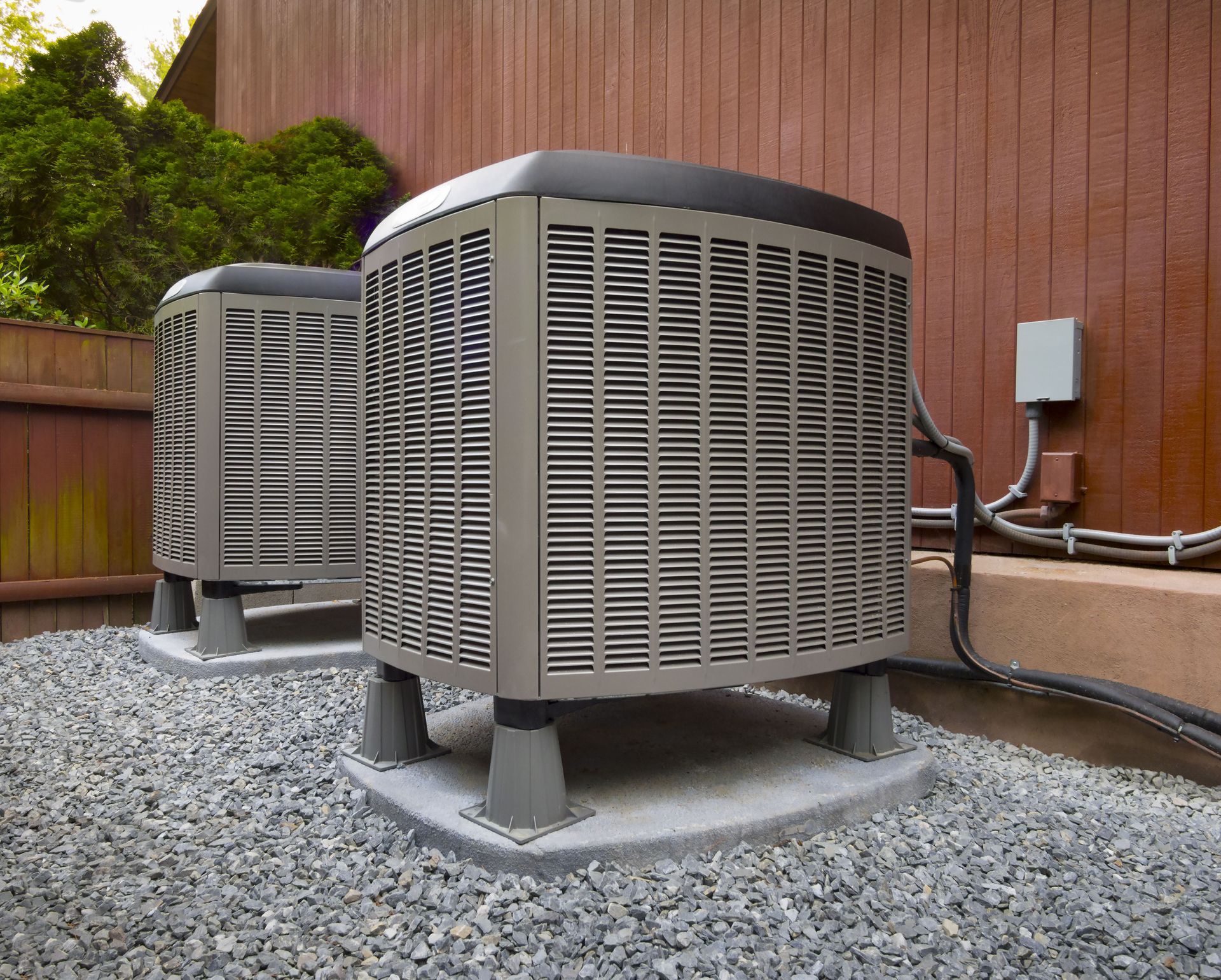
Are you looking for new ways to upgrade your heating and air conditioning system? Let's take a look for more information!
March 22, 2023
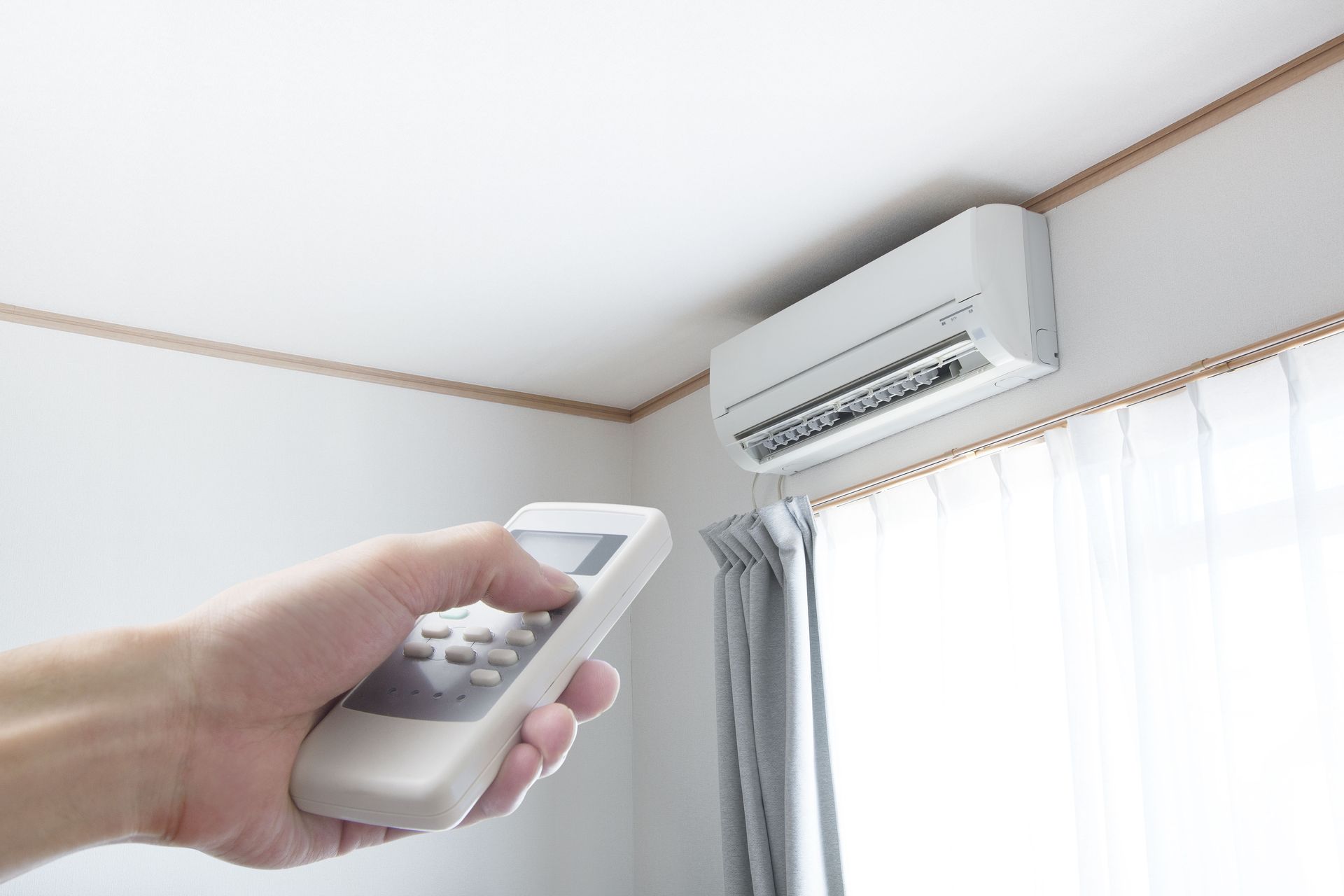
Looking for a new air conditioning system? Before calling an AC company, take a look at these five benefits of having a split system AC unit in your home.
water heater install
September 21, 2022
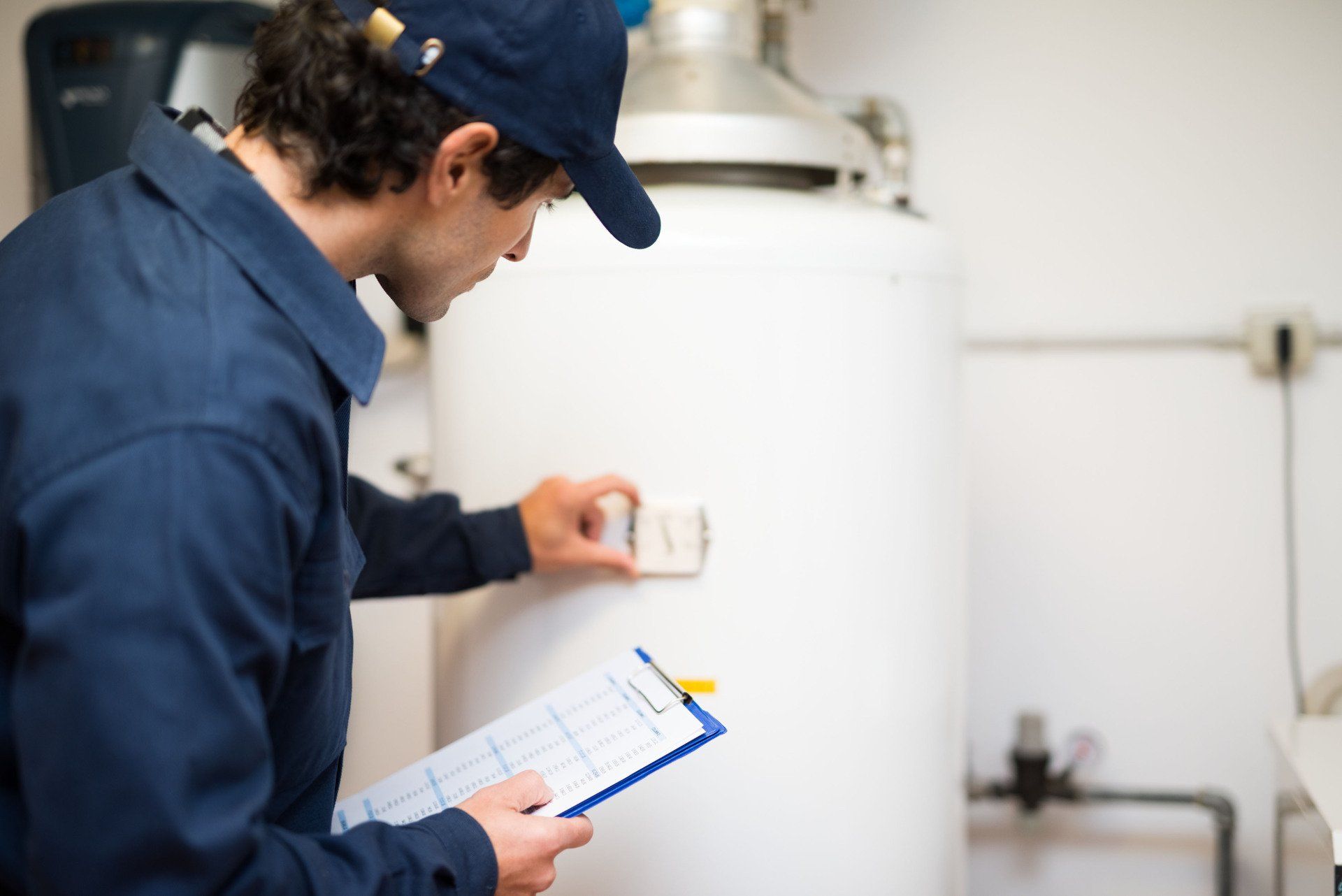
Check out our post to learn more about increasing the lifespan of your water heater. If you need a water heater install, give us a call.